
Two remarkable books, one illuminating the complexities of a nation often reduced to headlines, the other exploring the intimate terrain of human connection, have been crowned the winners of the 2026 Women’s Prizes.
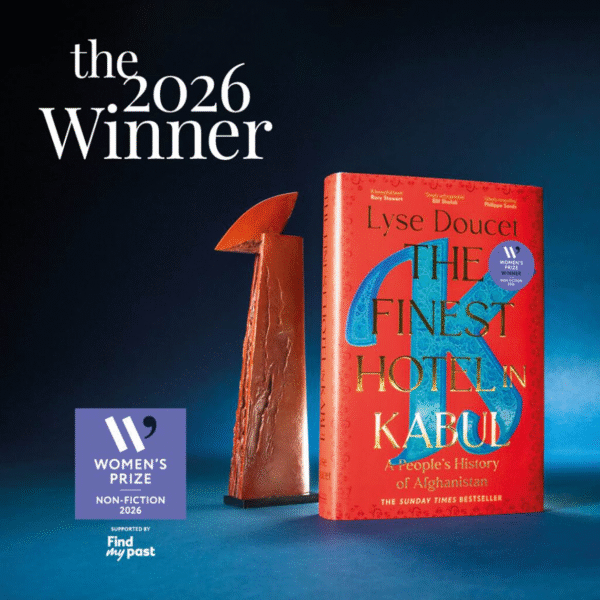
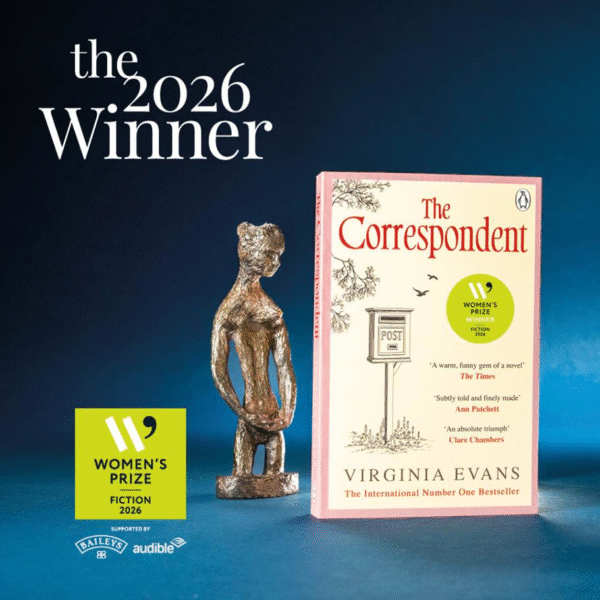
The Women’s Prize has announced that The Finest Hotel in Kabul: A People’s History of Afghanistan by acclaimed journalist Lyse Doucet has won the 2026 Women’s Prize for Non-Fiction, while The Correspondent by Virginia Evans has been awarded the 2026 Women’s Prize for Fiction.
Widely regarded as two of the most influential literary awards celebrating women’s voices, the Women’s Prizes recognise books that expand our understanding of the world, whether through rigorous reportage or imaginative storytelling. This year’s winners exemplify the breadth and ambition of contemporary writing.
In The Finest Hotel in Kabul, veteran BBC journalist Lyse Doucet offers a deeply humane portrait of Afghanistan through the lens of one iconic hotel and the lives that have passed through its doors. Blending history, reportage, and personal reflection, the book moves beyond geopolitical narratives to foreground the resilience, complexities, and everyday realities of the Afghan people. The judges praised the work for its extraordinary ability to illuminate a nation through the stories of those who have lived its history.
Meanwhile, Virginia Evans’s debut novel The Correspondent captivated the Fiction judges with its exploration of loneliness, connection, and the enduring power of communication. Through a narrative built around letters and relationships, Evans crafts an intimate portrait of human vulnerability that speaks to universal questions about belonging, memory, and the ties that bind us together.
The recognition of these two titles reflects a literary landscape increasingly drawn to stories that bridge the personal and the political. Whether documenting the lived realities of Afghanistan or tracing the emotional contours of everyday life, both books demonstrate the capacity of literature to deepen empathy and challenge assumptions.
At a time when readers are seeking nuance, perspective, and connection in an increasingly fragmented world, the Women’s Prize winners offer precisely that: works of exceptional storytelling that remind us of the enduring importance of listening, to history, to one another, and to voices too often overlooked.