
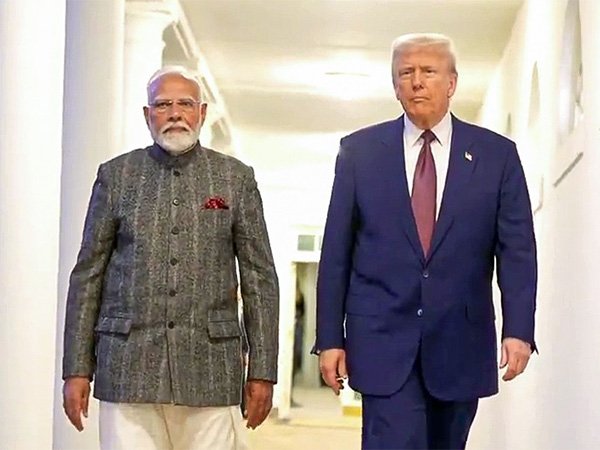
File Picture : ANI/X
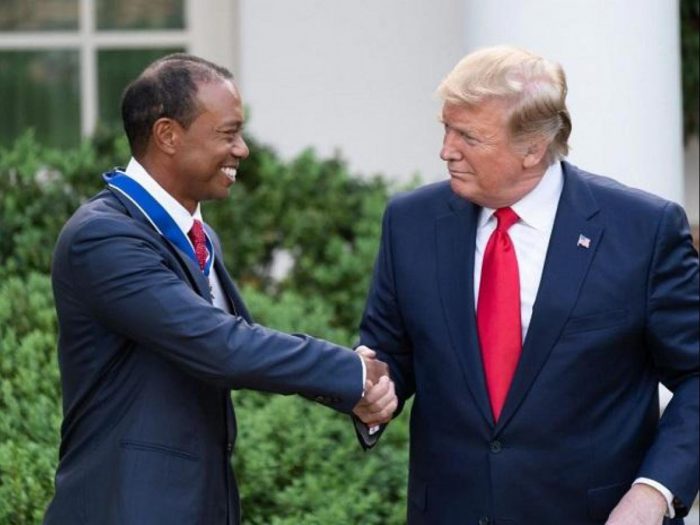
In a latest, the US President Donald Trump signed into law the Lindsey O Graham Sanctioning Russia and Iran Act of 2026 after the House of Representatives passed it on September 16. The law gives Trump the authority to impose tariffs of up to 100 percent on countries, including India and China, that buy oil and gas from Russian. The legislation targets Russia’s energy and defence sectors and its so-called “shadow fleet” vessels used to transport Russian oil, often to bypass sanctions and restrictions. It also extends the Iran Sanctions Act of 1996 to 2031.
The law authorises Trump to raise the duty on goods imported into the US from countries covered by the Russian energy provision to “up to 100 percent ad valorem”. It covers countries that buy Russian-origin crude oil or natural gas 30 days after the law has been signed and are among the five largest importers by volume. By the law’s definition, these would be countries that are facilitating Russian oil sanctions evasion. The duty would be “in addition to any other duty, fee, tax, or charge” applicable to the goods. The US will reassess the relevant countries every 180 days. The president will also have the power to waive the measures under conditions specified in the legislation.
India is the second-largest buyer of Russian crude after China. Between December 2022 and August 2026, China accounted for 50 percent of Russia’s crude exports and India 37 percent, according to Helsinki-based Centre for Research on Energy and Clean Air (CREA). Russian oil imports have continued to remain substantial in 2026, with data from Kpler, a commodity intelligence platform, showing India’s imports at 2.08 million barrels per day in August, making up about 45 percent of the country’s crude purchases.
Since the law refers to “all goods imported into the United States” from a covered country, the law will pinch India. In 2025, the US was India’s largest export destination, with goods worth about $92.3 billion sold there. Electrical machinery and equipment form the largest export category, at about $25.8 billion. Other categories include pharmaceuticals, machinery, chemicals, textiles, gems and jewellery, and engineering goods.
Taxes and Tariff’s without representation was the genesis of the American revolution and a nation sans ‘kings queens ‘ and there not so competent progeny.
A nation of the people, by the people and for the people- the shining beacon of liberty on top of a dark hill – that…
— Manish Tewari (@ManishTewari) September 17, 2026
However, the Ministry of External Affairs said, “India remains firmly committed to ensuring energy security for its 1.4 billion people. It will continue to do so through diversified sourcing and on the basis of evolving market dynamics.” The ministry further added that the issue had been discussed “at high levels in recent months” with various US interlocutors, and that India had clearly articulated the potential implications for the bilateral relationship and the international energy market. It also said India was determined to take “all necessary measures to protect its trade and economic interests” and would work closely with Indian trade and industry bodies on the implications of the developments.
Our statement on passage of the Sanctioning Russia and Iran Act in the US Congress
🔗 https://t.co/kD0Yg9sWbU pic.twitter.com/rSc21AqwEh
— Randhir Jaiswal (@MEAIndia) September 17, 2026
For Indian exporters, the development adds another source of uncertainty around the market that has become their most important overseas destination. India’s new trade agreements provide access to a much wider set of markets. Whether those markets can reduce that dependence will ultimately depend on whether Indian exports actually begin shifting towards them.