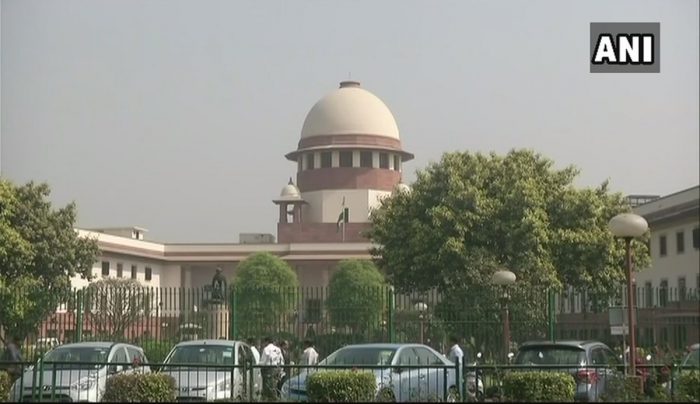

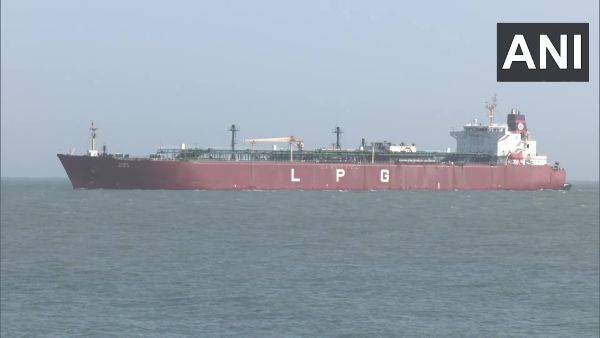
Gujarat: LPG tanker Shivalik, which crossed the Strait of Hormuz, arrives at the Mundra Port. ANI/X
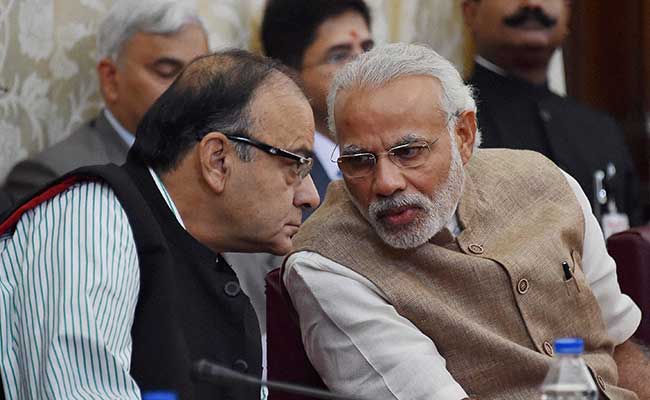
Probably, the US President Donald Trump did not anticipate the war with Iran to stretch so long, eventually disrupting the economies of other countries. Stock markets are crashing, and worse, acute shortage of gas. In the loop of suffering countries, India too has now begun to feel the impact of the war. Prime Minister Narendra Modi has warned that the escalating conflict in West Asia has become “worrisome” and is posing serious economic, security, and humanitarian challenges for India, even as his government moves to safeguard critical supplies and protect Indian citizens abroad.
🚨 “If Iran doesn’t FULLY OPEN, WITHOUT THREAT, the Strait of Hormuz, within 48 HOURS from this exact point in time, the United States of America will hit and obliterate their various POWER PLANTS, STARTING WITH THE BIGGEST ONE FIRST…” – President DONALD J. TRUMP pic.twitter.com/htLz1A0Mf7
— The White House (@WhiteHouse) March 22, 2026
Modi said the crisis, now stretching beyond three weeks amid rising tensions involving the United States, Israel and Iran, is already having a “very adverse impact on the global economy and people’s lives,” while creating “unprecedented challenges” for India. “The current situation in West Asia is worrying…This crisis has now lasted for more than three weeks. It is affecting the entire world,” he said, calling for an urgent resolution through dialogue.
The ongoing West Asia conflict, is impacting India’s economy, energy security, trade routes and citizens living in the Gulf region. Referring to assessments conducted across ministries, Modi said the evolving crisis has short-term, medium-term and long-term implications and requires coordinated action across sectors.
Highlighting concerns over disruptions in global shipping routes, Modi said attacks affecting maritime movement are unacceptable. “Attacks on commercial ships and disruptions in international waterways like the Strait of Hormuz are unacceptable. Through diplomacy, India is continuously making efforts for the safe passage of Indian ships, even in this atmosphere of war,” he said. He further added that the movement of ships through the Strait of Hormuz has become challenging, affecting supply chains. Modi stressed that the region is critical for meeting India’s energy requirements. “A significant portion of India’s crude oil, gas, and fertiliser supplies comes through the Strait of Hormuz, and the government is making every effort to ensure that the supply of petrol, diesel, and gas is not significantly affected.”
Further, Modi reiterated that the conflict presents multidimensional challenges for India. “This war has also created unforeseen challenges before India. These challenges are economic, related to national security, and humanitarian,” he said. An inter-ministerial group is reviewing the situation daily and working on solutions across sectors including agriculture, trade, power, fertilisers and shipping.
पश्चिम एशिया के सभी संबंधित नेताओं से बातचीत कर मैंने तनाव कम करने और इस संघर्ष को समाप्त करने का आग्रह किया है। इस क्षेत्र में भारतीय जहाजों की सुरक्षा और उनके सुरक्षित आवागमन को सुनिश्चित करने के लिए हमारे कूटनीतिक प्रयास भी लगातार जारी हैं। pic.twitter.com/IfXAxCLwHC
— Narendra Modi (@narendramodi) March 23, 2026
“Economies around the world are being affected by the current crisis, and continuous efforts are being made to ensure that India faces minimal adverse impact.” Modi added. The Prime Minister said India has sufficient reserves of essential commodities and arrangements have been made to ensure farmers are not adversely affected. “The country’s farmers have ensured that our food reserves are well-stocked, and adequate arrangements have been made for fertilisers to deal with such situations.”
Reiterating India’s position, PM Modi said peaceful resolution through dialogue is essential. “We have always raised our voice in favour of humanity and peace, and believe that dialogue and diplomacy are the only solutions. India is urging all sides to reach a peaceful resolution at the earliest.” Modi also underlined that the evolving situation requires vigilance and unity, stressing that safeguarding citizens and ensuring economic stability remain key priorities as the global situation continues to develop.
Addressing the country in these tough times might bring some superficial relief, the undercurrents of tension are quite visible. With state elections on head, the central government has an uphill task of containing the crisis at it’s earliest.