
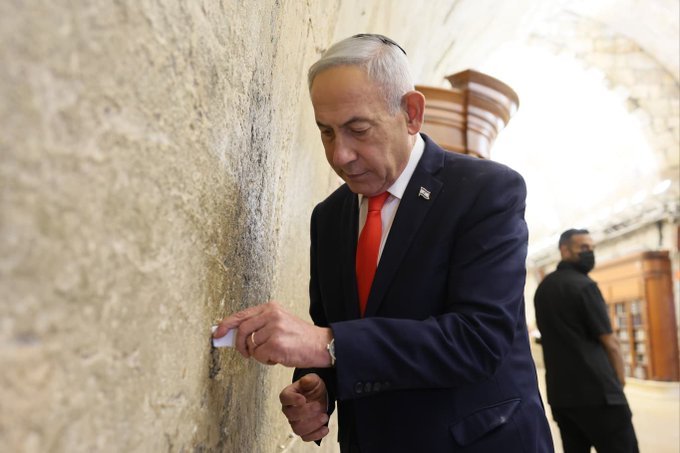
Picture Credit : @netanyahu/X
It was a record voter turn-out, a whopping 78 percent since the last elections and yet no party with a clear path to power in Israel. The impact of the fallout will reach well beyond Israel, including New Delhi. Prime Minister Benjamin Netanyahu’s Likud-led bloc won the most seats at 53, in the 120-member Knesset. A majority takes 61. The opposition alliance led by former army chief Gadi Eisenkot’s took 48, and Arab-led parties won a record 19. It was the first national vote since the October 7, 2023 Hamas attack and the wars in Gaza, Lebanon and Iran that came after it.
The elections certainly dented Netanyahu’s popularity with his bloc falling from 68 seats to 53. Though Netanyahu stays on as caretaker prime minister, he might get the first invite at building a coalition. As for Eisenkot government, though, his party’s 48 plus the Arab parties’ 19 makes 67. Naftali Bennett and Avigdor Liberman have both said no to relying on Arab parties, whether as partners or as outside backers.
It’s tough time for Israel to decide upon the new leader, since it is still in a standoff with Iran, Gaza’s future is unsettled, Lebanon remains tense, and the West Bank is simmering. Swap the prime minister, and you may not swap the strategy. Eisenkot, a former IDF chief, takes a hard line on Iran and Hamas. He also opposes Palestinian statehood. Any Israeli leader would stay broadly in step with Washington if US President Donald Trump decides to resume military action against Tehran.
הנשיא טראמפ:
לאזרחי ישראל: למי מכם שטרם ראה זאת, אני מצרף את הודעת התמיכה שהענקתי לפני שבוע לראש הממשלה שלכם, ביבי נתניהו. כולם יודעים, כולל האויב, שלביבי ולי יש מערכת יחסים מצוינת ושאנחנו מנצחים יחד.
ביצעתי את המתקפה בוונצואלה, אחת הפעולות הצבאיות המוצלחות ביותר בהיסטוריה. עוד קודם לכן ביצענו את מבצע ״פטיש חצות״, שמנע מהמדינה המובילה בעולם במתן חסות לטרור להשיג נשק גרעיני.
לאחר מכן ביצענו את מבצע ״זעם אדיר״, וכעת לאיראן אין חיל ים ואין חיל אוויר. הצבא והכלכלה שלה מרוסקים, והאינפלציה באיראן עומדת על 301%. המצור הימי מנע ממנה לקבל נפט, ושתי שכבות של הנהגה, צבאית ואזרחית, אינן עוד.
כשתלכו לקלפיות, אנא זכרו שביבי הוא ראש ממשלה לוחם יוצא מן הכלל!
אנשים רעים מאוד כינו את ישראל ״השטן הקטן״ ואת ארצות הברית ״השטן הגדול״. אסור עוד שהקריאה ״מוות לאמריקה, מוות לישראל״ תישמע ברחבי העולם, והיא לא תישמע.
הצביעו לביבי נתניהו לראשות הממשלה. עלינו להשלים את המשימה שהתחלנו!
הנשיא דונלד ג׳יי. טראמפ
— Benjamin Netanyahu – בנימין נתניהו (@netanyahu) October 26, 2026
The real unknown is what Netanyahu does with his powers in the meantime. As a caretaker, he still makes the security calls. A fresh flare-up with Iran might rally the public. It might push parties towards a unity government. It might also bring retaliation and a longer war. Whatever Iran does next could hit Gulf security, energy infrastructure, shipping lanes and oil prices, and countries that import their fuel, India among them, would feel it fast.
On Gaza, neither man has budged from the demand that Hamas be disarmed. A new prime minister might change how Israel talks to the US or how it handles settler violence in the West Bank. But the election hasn’t produced any new consensus on Palestinian statehood. And a government that’s fighting for its majority isn’t well placed to make painful concessions.
The India-Israel relationship isn’t just about buying weapons anymore. It now covers joint production, technology, artificial intelligence, cybersecurity, farming, water, space and trade. Prime Minister Narendra Modi’s February 2026 visit to Israel took it up a level, to a “Special Strategic Partnership for Peace, Innovation and Prosperity”. The two sides agreed to deepen defence ties and work together on emerging technologies. They’d already signed a defence cooperation memorandum in November 2025.
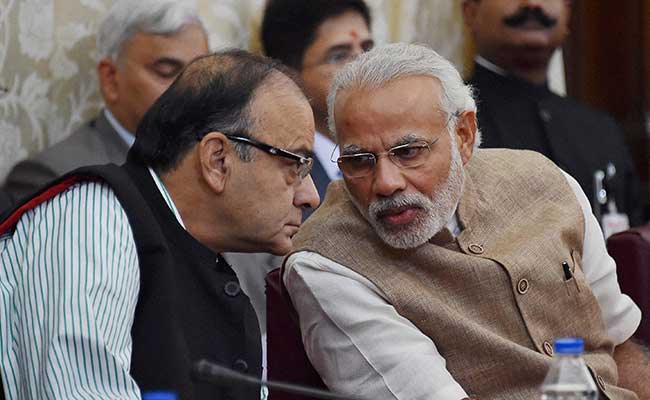
The friendship between Modi and Netanyahu has made the partnership highly visible. Defence deals, technology transfers and research projects have been built up over years, and a new face in Jerusalem won’t undo them.
What might change is the tone. An Eisenkot government could try to mend fences with Europe and answer some of the criticism Israel has faced over Gaza. For New Delhi, the job would be to build a working relationship with new leaders without losing momentum. Defence stays at the core. India leans on Israeli technology for air defence, surveillance, drones and precision weapons. The next phase is likely to be about making things together and sharing technology, in line with India’s push to build more of its own defence equipment.
The region makes it messier. India has big interests in the Gulf, old ties with Iran and a huge community across the Middle East. Its energy supplies and trade routes are exposed to any instability there. The India-Middle East-Europe Economic Corridor and I2U2 both need calm to work, and a fresh Israel-Iran conflict could set them back. Therefore, India will have to walk two tracks at once: deepen the partnership with Israel while keeping its channels open to Arab countries and Iran. Where it stands on a political solution for Palestinians will matter too.
Israel’s voters haven’t settled anything. Netanyahu has lost his majority, and the opposition hasn’t shown it can unite. The Arab parties are stronger than they’ve ever been, but how much that counts depends on whether anyone will work with them. The next government may sound different. The threats shaping Israel’s foreign policy won’t go away. For India, the partnership will be tested less by who will be the next prime minister, rather than by how both countries steer through a rough neighbourhood.