
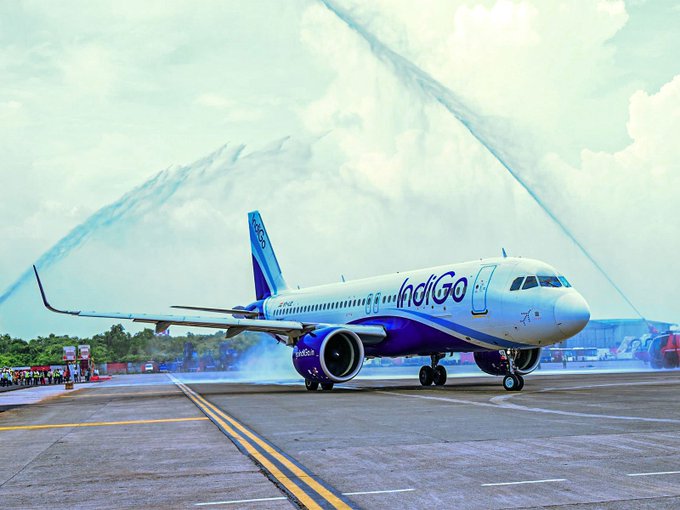
File Picture : @ani_digital( Representational Purpose Only)
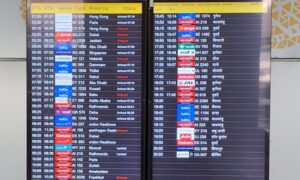
On December 5, 2025, a sudden crisis developed in the skies when India’s most sought-after domestic Airline, IndiGo, cancelled more than 1,000 flights. The schedules went topsy-turvy in the middle of the peak wedding season, with the front desk executives left helpless in front of the furious fliers. The employees had no answer. Thousands of passengers whose plans were upended as IndiGo’s sudden wave of cancellations pushed India’s aviation sector into one of its worst crises in years.
IndiGo commanded a 60% market share and 2,000 daily flights. The Airline now risks losing its hard-won reputation as the country’s reliable, no-frills carrier, experts say. “IndiGo could face significant financial damage from loss of revenue because of flight cancellations, refunds and other compensation to affected customers, along with potential penalties imposed by DGCA [the aviation regulator]” Moody’s, a ratings agency said. The reason behind the crisis are the new crew-rostering rules that give pilots and cabin crew more rest, which, IndiGo is accused of failing to plan for, forcing it to ground more than half its fleet. The rules include longer weekly rest for pilots (48 hours instead of 36) and tighter limits on night landings (two instead of six) after years of fatigue complaints to the regulator.
India’s aviation watchdog introduced the new duty rules nearly two years ago to align with global standards, with airlines meant to adopt them in two phases – in June and November this year. While other major carriers like Air India say they have implemented them, IndiGo has admitted that it has not been in a position to fully do so in time.
IndiGo fiasco is the cost of this Govt’s monopoly model.
Once again, it’s ordinary Indians who pay the price – in delays, cancellations and helplessness.
India deserves fair competition in every sector, not match-fixing monopolies. https://t.co/sRoigepFgv
— Rahul Gandhi (@RahulGandhi) December 5, 2025
The airlines head later apologised for the cancellations, acknowledging “unforeseen operational challenges” – from bad weather to “misjudgement and planning gaps” in rolling out the now-withdrawn pilot fatigue rules.
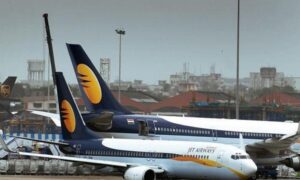
Over the past 15 years when several Indian airlines, Jet Airways and Kingfisher to GoAir, collapsed under debt or crippling fuel and engine costs, IndiGo quickly filled the gaps, expanding into smaller cities and secondary routes.The changing market dynamics allowed the carrier to consolidate a level of market share no Indian airline had held in decades. But the airline’s lean operations, which provide cost efficiencies in stable times, “lacked the resilience needed for this change in regulations, leading to the need for a system-wide reboot that led to cancellation of around 1,600 flights on 5 December”, Moody’s, the rating agency said.
As the crisis deepened, IndiGo secured a one-time exemption from the new rules until February and said operations would stabilise between 10 and 15 December. But in a strongly worded letter to the regulator, the Airline Pilots Association of India says this has undermined the very spirit of the new regulations “and gravely compromised the safety of the flying public”.
The Ministry of Civil Aviation has deputed senior officers to physically visit major airports to assess the on-ground situation arising from the ongoing operational crisis of IndiGo. The review covers flight delays or cancellations, congestion levels, queue management, manpower… pic.twitter.com/P65DqsKZqZ
— MoCA_GoI (@MoCA_GoI) December 9, 2025
Since the crisis began, IndiGo’s share price has tumbled in Mumbai, as investors fear rising costs from operational disruptions and higher crew expenses under the new rules. The biggest challenge, though, will be rebuilding the trust of millions of passengers. Carriers like Air India and Spice Jet have already begun to do that, announcing hundreds of additional flights to accommodate affected IndiGo passengers.
India’s aviation regulator has issued a show-cause notice to IndiGo, citing “significant lapses in planning, oversight,” and reportedly asked the airline to cut its flight schedule by 5%. A stricter action is required against the people responsible for the chaos and agony caused to the innocent passenger for no fault of his. The regulator, DGCA, has to be more vigilant to keep any crisis at bay in future by any Airline, because memories of the horrific Air India plane crash in June this very year are still afresh.