
Image : Representational Purpose Only
A crude oil tanker bound for India slipped through the conflict-hit Strait of Hormuz after briefly going “dark” to avoid detection, becoming the first India-destined vessel to safely navigate the strategic waterway since the war began between the United States, Israel and Iran. The heat of war has reached at the doorsteps of India’s kitchens. As the US-Israeli strikes on Iran disrupt energy shipments through the Strait of Hormuz, supplies of liquefied petroleum gas (LPG) are tightening across India, forcing restaurants to cut menus, shorten hours and in some cases shut down altogether.
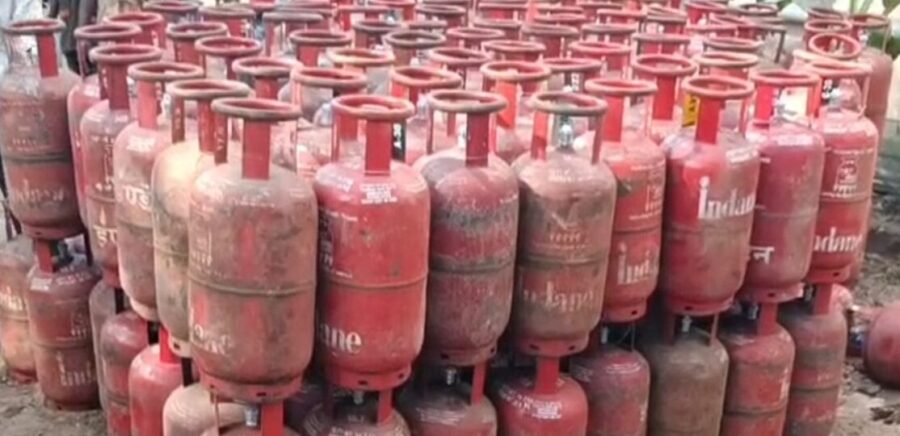
People are queueing outside cooking-gas dealers across Indian cities and towns as worries over fuel supplies spread. Commercial LPG users appear to be worst hit. People are switching to coal and wood and electric cookers to keep kitchens going.
In Mumbai, media reports say up to a fifth of hotels and restaurants are already fully or partly shut as commercial LPG supplies tighten. In the southern cities of Bengaluru and Chennai, some eateries say their gas stocks have dwindled with little backup. Meanwhile, retailers are reporting a surge in sales of electric cookers, with stocks running into shortage.
Yet, the government insists there is no shortage. According to Petroleum Minister Hardeep Singh Puri, India has 25 days of crude oil. Petrol and diesel stocks can last another 25 days apart from the strategic oil reserves. Cooking gas or LPG can last around 25-30 days, while LNG, primarily used for industrial applications, availability is around 10 days.
Despite the current geopolitical situation involving major energy producers, our energy imports are secure and continue to flow from different sources using non-Hormuz routes.
We are comfortably placed and are able to meet the energy requirements of our citizens.
There is no… pic.twitter.com/rr2YTIXBMB
— Hardeep Singh Puri (@HardeepSPuri) March 12, 2026
The Iran war has exposed India’s energy reality and vulnerability. India imports around 90% of its crude oil, and 60% of LPG and 50% of its LNG requirements. Such high dependence makes India vulnerable to sudden supply chain shocks.India has more than 300 million domestic LPG users and officials say supplies are being redirected to households as tensions from the war in the Gulf ripple through energy markets.
Though, the oil ministry says that it ordered refineries on March 8, 2026, to maximise LPG output for household consumption, lifting domestic production by about 25%. Non-domestic supply is being prioritised for essential sectors such as hospitals and educational institutions, while distribution will be “fair and transparent”. “Some panic booking and hoarding has been triggered by misinformation. The normal delivery cycle for domestic LPG remains about two-and-a-half days,” says Sujata Sharma, a senior official in the petroleum ministry.
Now the anxiety is spreading beyond kitchens. What may be intensifying the anxiety on the ground is not just tight supply but patchy deliveries – and the familiar spectre of hoarding. Retailers are misusing the situation – black-marketing cylinders and selling them at a premium.
For now, India’s oil supplies may be cushioned by global trade flows. But in kitchens across the country, the more immediate question is simple: how to get the next cylinder.