
Picture : BNP/X
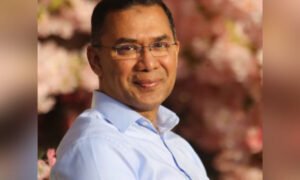
Bangladesh: 78-Year-Old BNP Stalwart Mirza Fakhrul Islam Alamgir Becomes New President
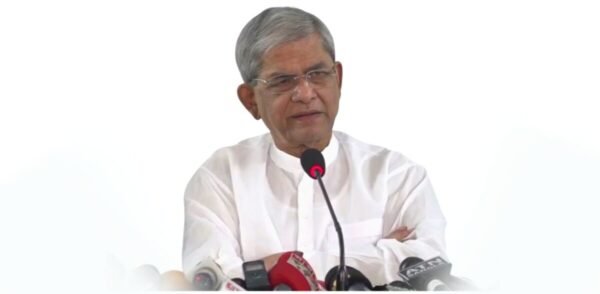
Mirza Fakhrul Islam Alamgir, a longtime secretary general of the ruling Bangladesh Nationalist Party (BNP) and a close ally of former premier Khaleda Zia, was elected as the country’s new President in the first contested poll for the post in 35 years.
The 78-year-old BNP stalwart defeated his lone rival Colonel (retd) Oli Ahmed, the 84-year-old Liberal Democratic Party chairman and the nominee of the Jamaat-e-Islami-led 11-party opposition alliance, Chief Election Commissioner and also Election Returning Officer AMM Nasir Uddin announced after the counting of votes.
Of the total 349 registered voters, 343 voted in the election. Six lawmakers didn’t vote, he said.
Alamgir secured 255 votes while Oli Ahmad bagged 88 votes.
He will take the oath as Bangladesh’s 23rd President on Friday evening at the Darbar Hall of Bangabhaban.
It is the first contested presidential election in Bangladesh since 1991, as the office had largely been filled through consensus and uncontested polls in recent decades.
Prime Minister Tarique Rahman congratulated Alamgir on his victory in the presidential polls. Lawmakers also congratulated the President-elect by thumping their desks.
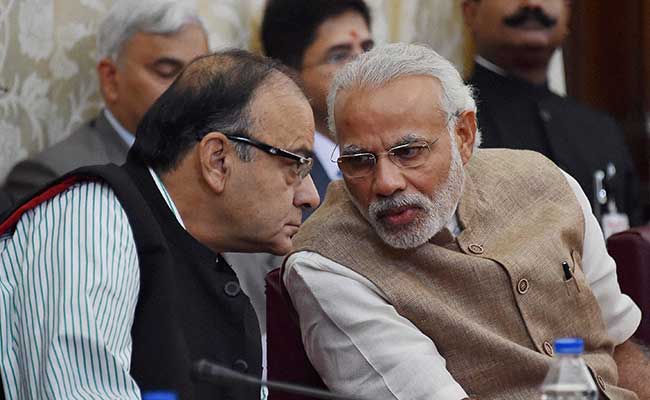
As opposition lawmakers, including Leader of the Opposition Dr Shafiqur Rahman and Deputy Leader Syed Abdullah Mohammad Taher, approached the treasury bench, Alamgir came forward and embraced Rahman, the state-run BSS news agency reported.
The presidential election was necessitated after Mohammed Shahabuddin, a close aide of deposed prime minister Sheikh Hasina, resigned last month on health grounds before completing his five-year tenure.
Under the Constitution, a new president is required to be elected within 90 days of the office falling vacant. Parliamentary Speaker Hafiz Uddin Ahmad is currently serving as acting president, as required under the Constitution following a vacancy in the office.
The president is elected by Members of Parliament under Bangladesh’s constitutional system.
The BNP, which was voted to power in the February 12 elections, currently commands a two-thirds majority in Parliament.
A day earlier, Alamgir pledged that he would never compromise on the country’s independence and sovereignty.
He had been one of the BNP’s most prominent leaders for more than two decades, having served as acting secretary general from 2011 before formally taking over the post in 2016.
He played a prominent role in leading the BNP during the imprisonment of its then-chairperson and former prime minister Zia and the absence of Rahman, who was abroad at the time.
The president is largely a ceremonial head of state under Bangladesh’s parliamentary system, with key constitutional powers, including appointing the prime minister and the chief justice.