

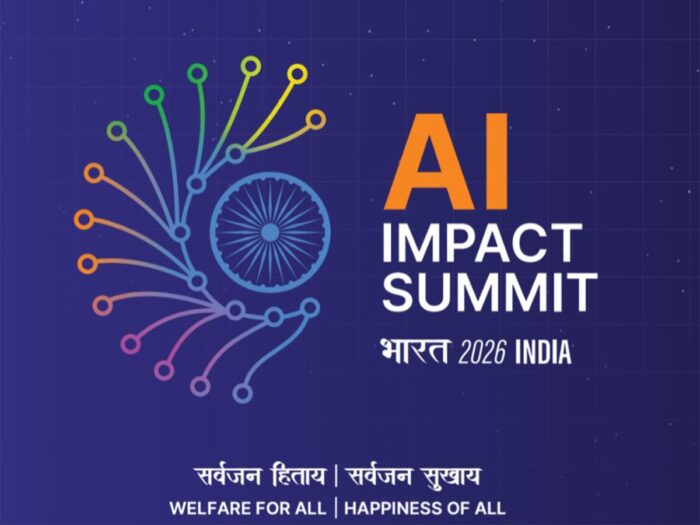
Picture Credit : @ani_digital( Representative Image/PIB)
The latest buzz word that’s rocking the Information and Technology(IT) world is Artificial Intelligence, in short, the AI. This particular technology refers to computer models and algorithms that are trained to mimic human decisions and problem-solving. Often abbreviated as AI, these systems can be used to perform tasks that generally require human intelligence. AI programs learn from experience, recognize patterns, inform decisions, and solve problems. Ultimately, AI programs are designed to perform tasks autonomously, freeing up humans to focus on more strategic initiatives.
There are other languages which fall under the broader category of artificial intelligence. These include machine learning, natural language processing, computer vision, and robotics. Many of the AI systems that make headlines today are based on large language models (LLMs), which combine machine learning and natural language processing. These tools are able to interact with data and learn so that they can produce works and engage with people in a manner that suggests human intelligence. AI has the potential to make businesses more efficient, productive, and personalized in ways that could drastically change how people interact with them.
One significant advantage of AI is that it can make processes more efficient. It rapidly analyses vast amounts of data and recognize patterns that humans possibly never could. This ability can help streamline processes, reduce operational costs, and free up human resources to focus on more creative and strategic tasks. However, as with all new technologies, there are disadvantages as well. These include unemployment, bias in algorithms, privacy invasion, and the potential misuse of these autonomous systems. As AI continues to evolve, it’s important to ensure it’s usage responsibly and equitably.
The CEO Roundtable at the AI Impact Summit brought together various stakeholders from the world of AI, technology and innovation. The discussions were insightful and forward-looking, focused on scaling AI responsibly, strengthening global collaboration and unlocking opportunities… pic.twitter.com/ZFbrfksL86
— Narendra Modi (@narendramodi) February 19, 2026
Rapid automation has led to fears over job losses. Although AI has made gains in the workplace, impacting various professions by forcing employees to learn new tools or taking over their roles, and continuously upskilling themselves. AI has mainly affected early-career workers in fields with high exposure to AI, such as software engineering and customer service.
While the future impact of AI on the job market may largely depend on its technical limitations, The World Economic Forum(WEF) describes a possible scenario by 2030 where exponential AI advancements will outpace workers’ ability to reskill, forcing companies to further automate roles, leading to unemployment spikes. However, WEF’s “Future of Jobs report” shows the silver lining with the creation of 170 million new roles. These new positions will likely centre on “human-plus” capabilities: AI ethics officers, human-AI collaboration designers, and specialized roles in physical AI, such as robotics and autonomous mobility. In short, the technical world is changing at a lightning speed where technology changes with each new day.