
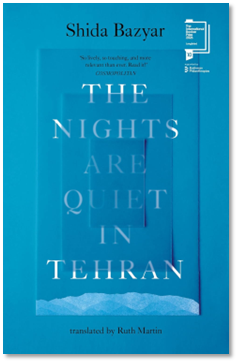
‘A polyphonic family saga spanning decades of revolution, exile, return, and resistance in Iran, capturing the enduring desire for freedom across generations.’
t a time when conversations around protest, state power, and displacement are once again at the centre of public discourse—from Iran to university campuses worldwide—the book’s focus is specific: what political history does to families. It looks at how ideology enters the home, how silence becomes a survival strategy, and how younger generations inherit both trauma and unfinished questions.
Rather than revisiting major events themselves, Bazyar concentrates on their aftereffects. The narrative unfolds through multiple voices, each reflecting a different relationship to Iran, migration, and memory. The result is a layered account of how political belief, fear, and hope evolve across time.
The International Booker Prize, one of the most influential awards for translated fiction, has increasingly recognised works that connect geopolitical histories with lived experience. The inclusion of The Nights Are Quiet in Tehran on this year’s shortlist positions it within that conversation—alongside titles that examine borders, identity, and the long tail of political change.
For Indian readers, the themes are not distant: questions of protest, intergenerational memory, and the negotiation between public life and private belief continue to resonate locally. Please get in touch for features, reviews and interviews.
The winner of the International Booker Prize 2026 will be announced on Tuesday, 19 May.