Opinion
Monsoon Rains: Nightmare Relived Every Year, No Lessons Learnt
Political will is often reactive – responding to disasters rather than investing in long-term resilience. Many cities rely on outdated systems designed decades ago


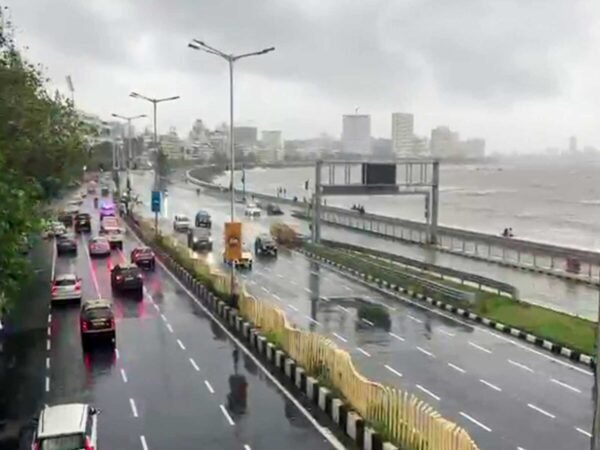
Picture : ANI/x
Recurring monsoon floods expose poor urban planning as cities continue to struggle with waterlogging and infrastructure failures year after year.
As the first heavy rains of the monsoon lash Delhi NCR, something fundamental shifts in the daily rhythm of millions. Office-goers who zipped through dry streets on two-wheelers suddenly rethink their plans, metro platforms fill earlier than usual, and app-based cab fares climb. Monsoon, one of the most beautiful weather, brings flooding and waterlogged roads along with.
Cities pan-India face major disruptions after heavy monsoon rain bring the daily routine to a standstill. In Delhi and Gurugram, the first major spell of rainfall this season exposed the city’s ongoing infrastructure problems, with roads flooded, vehicles stuck for hours and parts of major routes damaged. Small stretch take hours while commuting giving nightmares to the regular commuters. Work-from-home advisories are being issued to the corporate employees due to high possibility of waterlogging on major roads and intersections, which could lead to further traffic congestion. Several videos circulating online showed long queues of vehicles stuck in heavy traffic jams across Gurugram during the night.
Every monsoon season brings new challenges for commuters in Delhi and Gurugram. With major office hubs spread across different parts of the cities, many employees depend on road connectivity to reach their workplaces. Flooded roads, traffic jams and damaged stretches increase travel time and disrupt office schedules, while cab services, buses and other transport options also face delay

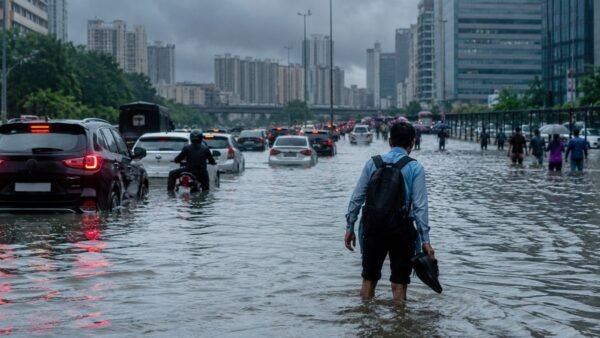
Picture Credit : India TV
In Bengaluru, Pune, Mumbai, Kolkata, Delhi and Chennai, on average a commuter spends 100 to 168 hours a year stuck in traffic. Not commuting. Just sitting. Every hour lost is an hour India cannot get back. Productivity lost, fuel wasted, air polluted, quality of life damaged.
Government authorities are left exposed every monsoon with their preparedness for the rainy season. Broken roads, potholes left un-attended, hanging wires are among the many problems which needs to be addressed on priority. The pace of urban expansion has far exceeded the evolution of supporting infrastructure, particularly in water and drainage systems. Political will is often reactive – responding to disasters rather than investing in long-term resilience. Many cities rely on outdated systems designed decades ago. And in the process of unchecked expansion, natural drainage channels, wetlands and water bodies that once absorbed excess rainwater have been built over or neglected. Each city faces unique challenges and factors such as geography, population and climate must be considered when designing effective responses.