Books
THE PENGUIN BOOK OF INDIA’S ORAL HISTORY – Voices From India’s Freedom Struggle
In The Penguin Book of India’s Oral History: Voices from the Freedom Struggle, the historians bring together recollections recorded during an oral-history project initiated in the 1980s. The collection features voices from across public life, including freedom fighters, political leaders, writers and industrialists such as Usha Mehta, Renuka Ray, S. A. Dange, E. M. S. Namboodiripad, Morarji Desai and J. R. D. Tata

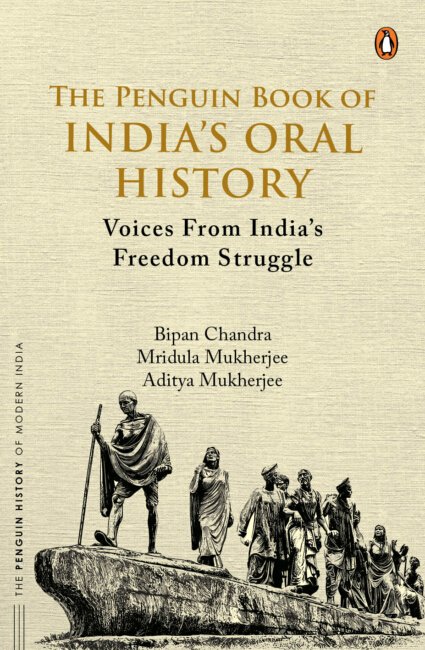

What did it mean to live through India’s struggle for independence? And how did those who participated in it remember the events, disagreements and decisions that shaped the nation?
Bipan Chandra, Mridula Mukherjee and Aditya Mukherjee are among the most recognised historians of modern India, known for their scholarship on nationalism, colonialism and the freedom movement. Their landmark books include India’s Struggle for Independence and India Since Independence, widely read accounts of the making of modern India. Bipan Chandra, a recipient of the Padma Bhushan, was a Professor of Modern History at Jawaharlal Nehru University, while Mridula Mukherjee and Aditya Mukherjee have made significant contributions to the study of India’s political and social history. Together, their work has helped generations of readers engage with the events, ideas and debates that shaped the country.
In The Penguin Book of India’s Oral History: Voices from the Freedom Struggle, the historians bring together recollections recorded during an oral-history project initiated in the 1980s. The collection features voices from across public life, including freedom fighters, political leaders, writers and industrialists such as Usha Mehta, Renuka Ray, S. A. Dange, E. M. S. Namboodiripad, Morarji Desai and J. R. D. Tata. Their accounts revisit experiences of protest, imprisonment, underground resistance, ideological disagreements and personal sacrifice, offering perspectives that complement established historical narratives. By preserving the memories of those who witnessed and participated in the freedom movement, the book offers a valuable record of how a defining chapter in India’s history was experienced and remembered by the people who lived through it.