Books
The Art of Being Fabulous By Shalini Passi
But here’s the sharper twist: The Art of Being Fabulous is as much about boundaries and backbone as it is about aesthetics. Passi openly shares her commitment to energy management choosing rest, daily movement, and clarity over performative “fun,” including her decision to avoid alcohol and protect her system so she can stay switched on creatively and emotionally.

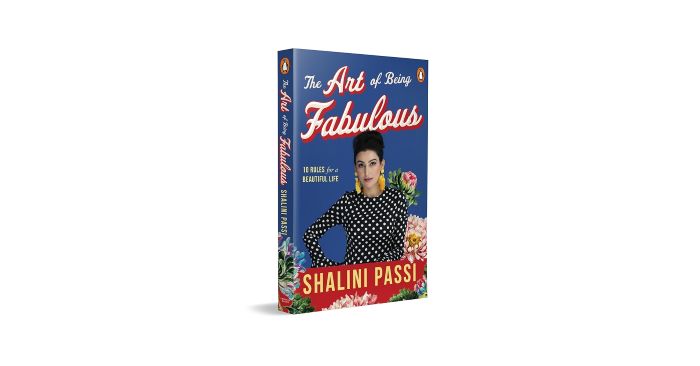

In The Art of Being Fabulous, the Delhi-based art collector, artist and philanthropist, also known to many as the breakout presence from Netflix’s Fabulous Lives vs Bollywood Wives (2024) turns the spotlight inward and hands readers something far more interesting than glam: a practical, high-voltage philosophy for how to live.
This is not a “be your best self” whisper. It’s a permission slip with teeth built on what Passi calls energy, discipline, discernment, and devotion to beauty (not just in what we wear, but in how we behave, choose, create, and give). The book moves through her principles and lived experiences across wellness, fashion as expression, creative life, relationships, spirituality, and service anchored in the idea that fabulousness begins as an internal standard, not external approval.
Passi writes from a vantage point few can claim: a life lived between art patronage and cultural visibility. A member of the advisory board of Khoj Studios since 2012 and a long-standing patron of the Kochi Muziris Biennale, she is recognized as a distinctive voice in contemporary art patronage; her collection spans leading Indian and international names.
And her home featured in Wallpaper, Architectural Digest, and Larry’s List is itself a “living gallery,” proof that taste is not an accessory; it’s a worldview.
But here’s the sharper twist: The Art of Being Fabulous is as much about boundaries and backbone as it is about aesthetics. Passi openly shares her commitment to energy management choosing rest, daily movement, and clarity over performative “fun,” including her decision to avoid alcohol and protect her system so she can stay switched on creatively and emotionally.
The book also brings her public philanthropy into focus. Passi details her work around UNICEF-linked initiatives—from channeling creative fees to UNICEF, to building community-led models supporting early childhood development and art-based therapy making the case that the most
Why this book. Why now?
Because culture is exhausted. Because “aesthetic” has become a substitute for identity. Because we’re drowning in noise, burnout, and performative perfection and starving for standards that actually work in real life. Passi’s book offers a different flex: presence, self-trust, emotional discipline, creative courage, and giving that is joyful not guilt-driven.